Ancient Diagnostics
Ming and Trần dynasty lineages read the body through pulse, tongue and pattern recognition. Modern functional lab work and thermography measure the body in other ways. Our research looks at how the two views fit together.

Classical Vietnamese Medicine · Translation & Research
Centuries of Ming and Trần dynasty lineage.Translated, studied, and set beside modern science.
Ming and Trần dynasty lineages read the body through pulse, tongue and pattern recognition. Modern functional lab work and thermography measure the body in other ways. Our research looks at how the two views fit together.
Acupuncture and herbal medicine are among the world's oldest therapeutic tools. Our research examines what the evidence says about them and about newer tools such as photobiomodulation, PEMF and peptide bioregulators.
Classical East Asian medicine aims for vitality and balance as well as the absence of disease. We translate and study its classic texts, starting with Tuệ Tĩnh's Nam Dược Thần Hiệu.
New design, in development. Made-up demo patient.
The difference
A deeper view of the individual.
Most clinics run on off-the-shelf software. The Naturalist is building its own. ShenApp turns classical findings into a clear, reasoned plan, with modern science in the same picture.
132 patterns389 intake symptoms361 acupuncture points
This is not integrative medicine. This is elemental medicine,
where nothing is added until everything is understood.
This is not integrative medicine.
This is elemental medicine,
where nothing is added until everything is understood.

A researcher, translator, and scholar of lineage‑based medicine, Zander studies Ming and Trần dynasty styles that extend beyond the familiar frameworks of the Huáng Dì Nèi Jīng. He has spent years immersed in classical East Asian texts and lineages, tracing the work of Master Tung, Sa‑am, Sūn Sīmiǎo, and the Vietnamese masters Tuệ Tĩnh and Hải Thượng Lãn Ông, among others.
His mission is to decode the language of classical texts and bring it into English, setting rigorous historical scholarship beside modern research.
From Woodblock to English
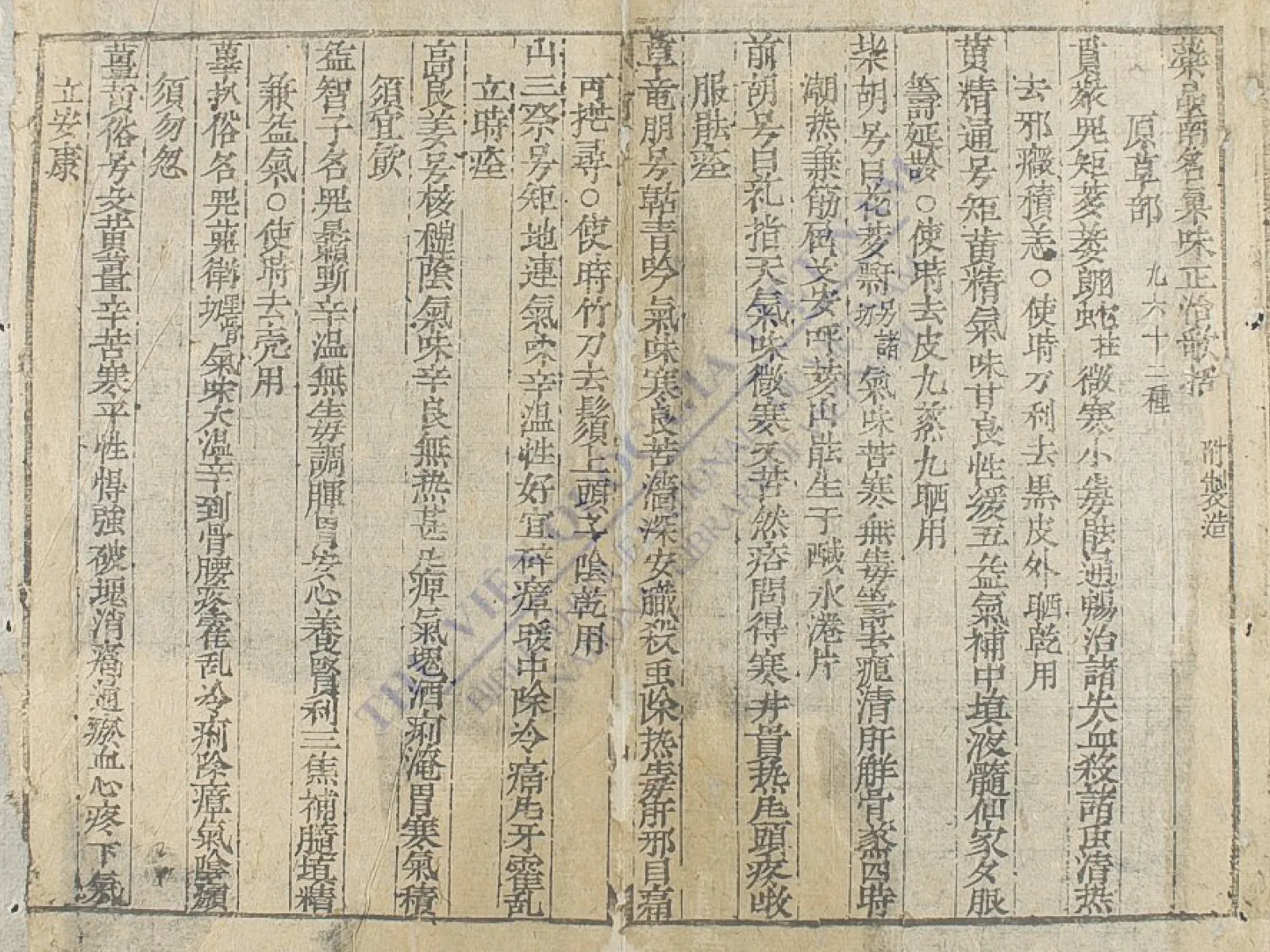
The Original
Tuệ Tĩnh's Introductory Volume survives in woodblock prints held by the National Library of Vietnam. Our edition works directly from high-resolution scans of two printings, read side by side.
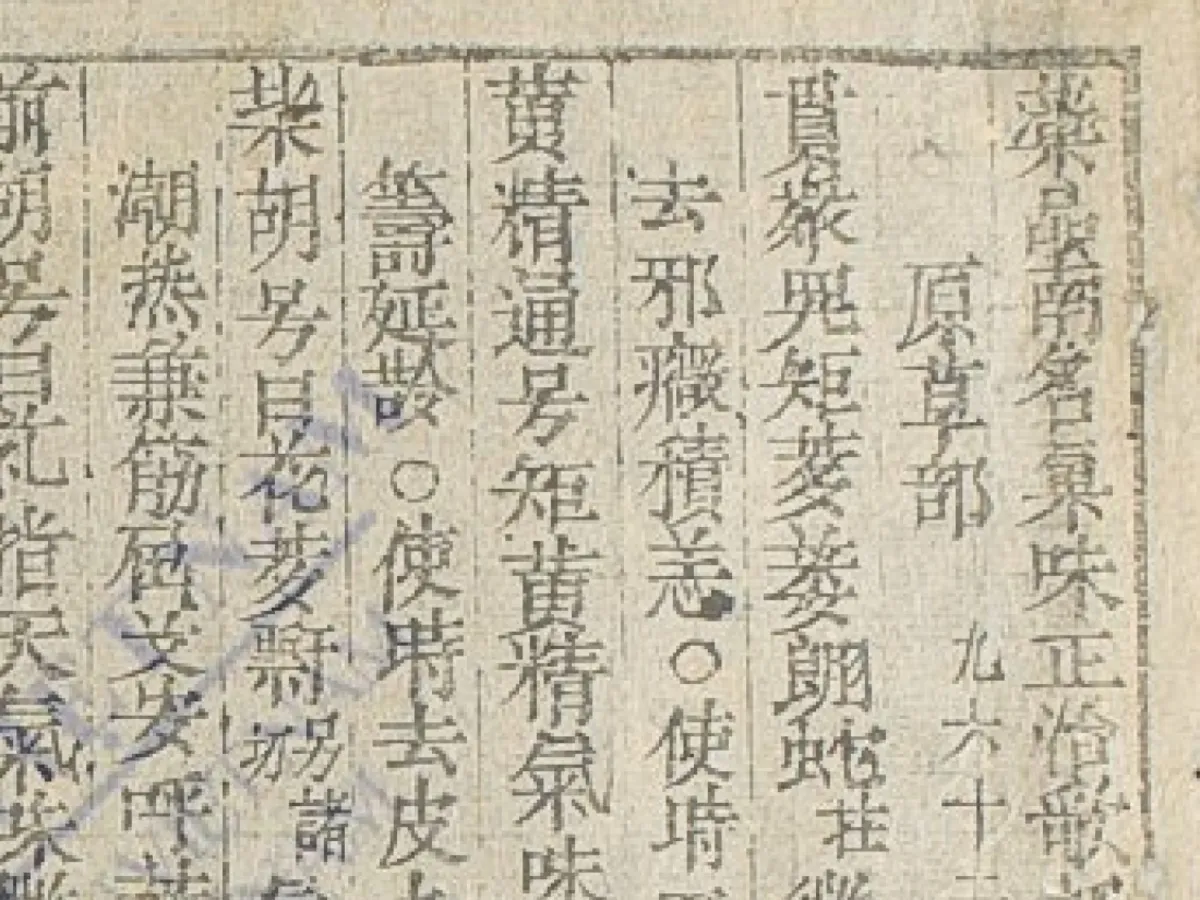
Character by Character
The text mixes classical Chinese characters with Nôm, the script once used to write Vietnamese. Every character is transcribed from the carving. Where wear makes one uncertain, it is marked as uncertain, never guessed.
Entry 2黃精 · Hoàng tinh · Solomon’s seal
Hoàng tinh thông hiệu củ hoàng tinh,
Hoàng tinh is commonly called củ hoàng tinh, the hoàng tinh root.
Khí vị cam lương, tính hoãn bình.
Sweet and wholesome; gentle and neutral by nature.
Ích khí bổ trung, điền dịch tủy;
It boosts qi, strengthens the center, and replenishes fluids and marrow.
Tiên gia cửu phục thọ diên linh.
Daoist adepts who took it for years lengthened their lives.
Verse into English
Each of the 499 entries is a short rhymed verse. We give the original characters, their Vietnamese reading, and an English translation that accounts for every word, checked against the 2007 Vietnamese edition and annotated where it matters.

A historical text, translated for study. Not medical advice.
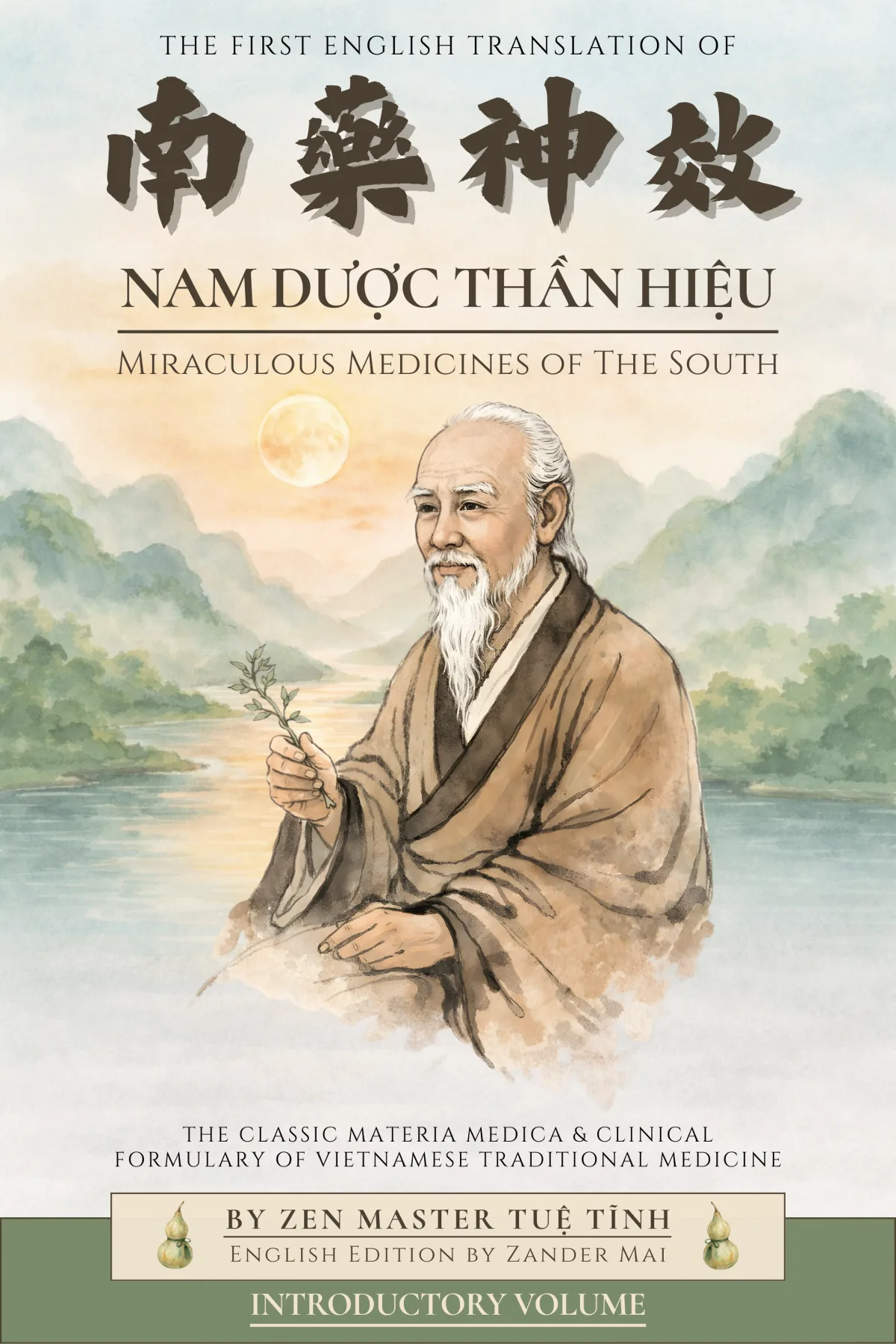
For over six centuries, the medical work of Zen Master Tuệ Tĩnh has been read almost only in Vietnamese and classical Chinese. This Introductory Volume is now being translated in full into English, for the first time as far as we know.
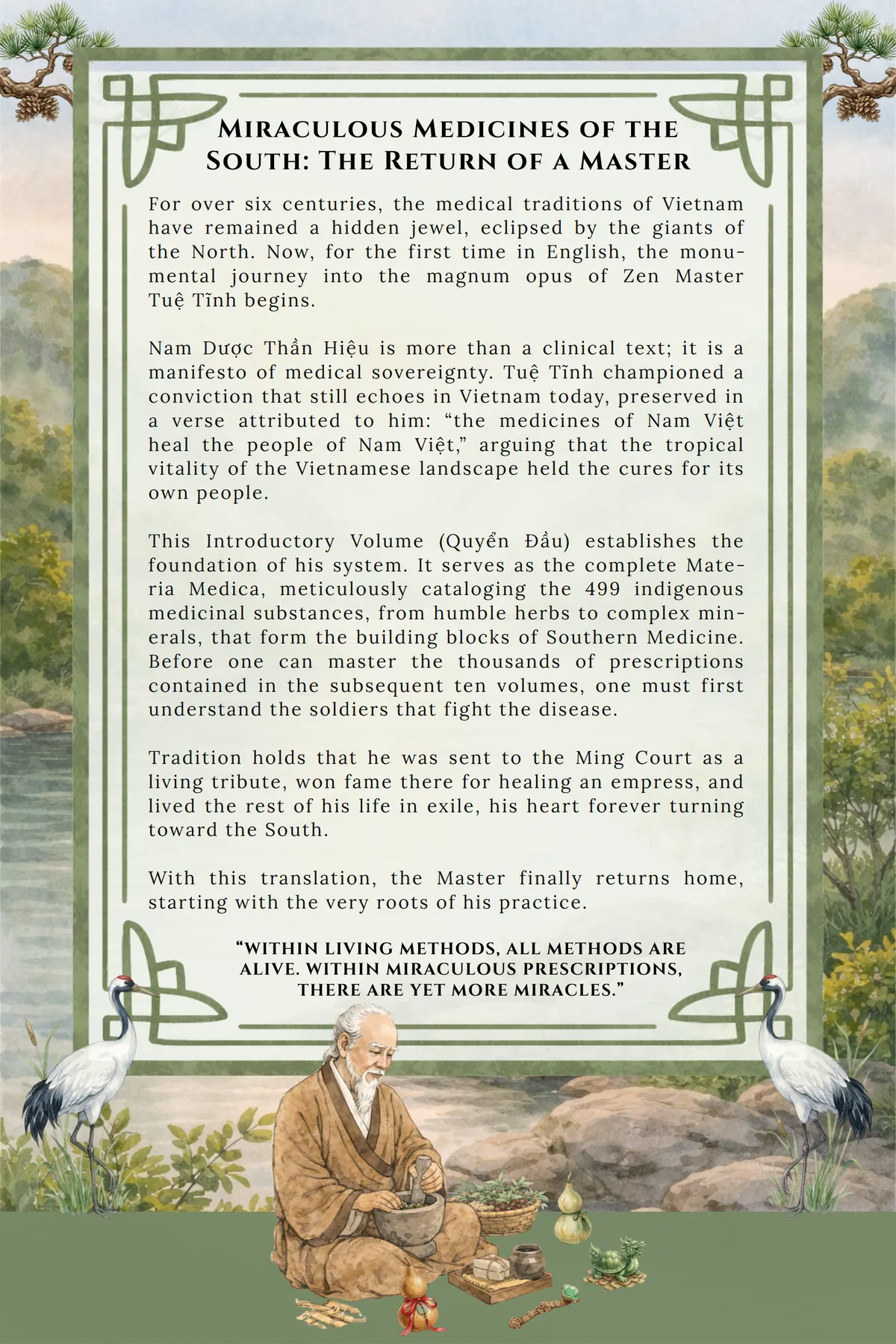
It is a practical catalog of medicines and also a statement of independence. Tuệ Tĩnh is remembered for the idea that “Southern medicine treats Southern people”: that the plants of Vietnam hold medicines for its own people.
This edition brings his work into English, with notes for today’s students and scholars.
In the spirit of Tuệ Tĩnh’s original mission to make medicine accessible to the poor, this introductory volume will be offered freely through The Naturalist. It is coming soon.
This work is the foundation of The Naturalist’s research, which sets classical Vietnamese and Chinese medical insight beside modern science.
The English translation of Nam Dược Thần Hiệu is coming soon and is not available yet. Join The Naturalist Digital Archive and we will send it to you free the day it is released, along with future volumes and new research.
What the biohacking world calls optimization,
classical medicine called elemental balance.
We've been doing this for millennia.